

Updated: Monday, September 14, 2026
The UC Application: A Complete Guide for Students and Families

Key Takeaways
- The UC application is the official portal of the University of California where students can apply to any or all of the nine UC undergraduate schools with a single application.
- The application opens on August 1, and applications can be submitted any time between October 1 and November 30.
- The UC application is different from the Common and Coalition Apps in terms of its writing requirements, self-reported grades, and test-blind policy.
- Standardized test scores and letters of recommendation are not accepted as part of the UC admissions process.
What Is the UC Application?
The UC application is the online application portal used by the University of California’s public university system. It is designed for undergraduate admissions and scholarships, allowing students to complete a single application and one set of essays that can be submitted to any of the nine schools that are part of the UC system.
The University of California application is used by the following schools:
- UC Berkeley
- UC Davis
- UC Irvine
- UCLA
- UC Merced
- UC Riverside
- UC San Diego
- UC Santa Barbara
- UC Santa Cruz
UC Application vs. Common App
The UC application has several different requirements from the Common App, including its essays, activities and awards, test scores, letters of recommendation, and school limits.
| Requirements | UC Application | Common App |
| Essays/Writing | Four, shorter personal insight essays | One longer personal statement + any school-specific supplemental essays |
| Activities/Awards | Up to 20 total slots for honors, awards, and activities | Up to 10 slots for activities and five for awards |
| Test Scores | Does not accept SAT or ACT scores for admission or scholarship selection | Many member schools require or accept SAT/ACT scores |
| Letters of Recommendation | Does not accept letters of recommendation | Many member schools require counselor or teacher letters of recommendation |
| School Limits | No limit to how many schools you can apply to of the nine UC schools | Limited to 20 schools you can apply to |
Why It’s Critical to Understand the UC Application System
The UC application does not adhere to the typical college application norms, and its differences can impact how you make college admissions decisions. For example, the UC system does not have Early Action or Early Decision application rounds. Instead, the UC application shares one primary submission deadline of November 30 for all nine undergraduate campuses.
Instead of high school transcripts, the UC application requires applicants to self-report their grades, meaning they manually enter grades as they’re shown on a transcript or report card. Colleges will check grades against official transcripts only if a student is admitted and enrolled.
Finally, the UC application does not accept SAT or ACT test scores, nor does it accept letters of recommendation. The system’s test-blind policy ensures admissions equity for all students, although lawmakers and educators are currently considering reinstating standardized test score requirements in the future.
For information on how to apply, you can visit the UC application website.
Understanding the UC System: The Nine Undergraduate Campuses
While the UC application allows you to apply to as many of the University of California campuses as you wish, it helps to understand what makes each campus unique. Here’s a brief overview of the nine undergraduate colleges:
UC Berkeley
University of California, Berkeley (or Cal, as it’s lovingly called) is home to approximately 33,000 undergraduate students. Located in Berkeley, California, this historic campus sits on the eastern shore of San Francisco Bay. It’s a highly selective university with an overall 10.51% acceptance rate for the class of 2030 (for in-state students, the rate is slightly higher at 12.39%; for out-of-state students, it’s slightly lower at 9.95%). As a top-tier public research institution, UC Berkeley excels in STEM, social sciences, and humanities.
UC Davis
UC Davis is located in Northern California between San Francisco and Sacramento. It has more than 32,000 undergraduate students who enjoy the bike-friendly campus and classic college town vibe. The overall acceptance rate for the class of 2030 is 45.79%, with a much higher acceptance rate for out-of-state students at 70.97% and a lower acceptance rate for in-state students at 34.75%. UC Davis excels nationally in agriculture, veterinary medicine, and environmental sciences.
UC Irvine
The UC Irvine campus is located in Orange County, and is home to more than 30,000 undergraduate students. Its overall acceptance rate is 30.29% for the class of 2030, and — like UC Davis — has a higher acceptance rate for out-of-state students (49.51%) and a lower acceptance rate for in-state students (22.75%). The university is known for its distinct academic strengths in STEM, computer science, and the social sciences.
UCLA
The University of California, Los Angeles (UCLA), is one of the most selective universities in the prestigious public UC system. Its overall acceptance rate for the class of 2030 is 10.84%, with the in-state acceptance rate slightly lower at 10.15% and the out-of-state acceptance rate slightly higher at 14.87%. UCLA is home to more than 33,000 undergraduate students, some who come to the school for its world-class public research output, top-ranked film and television programs, elite health sciences, and high-demand STEM and social science majors.
UC Merced
UC Merced is located in the northern Central Valley of California and is known as the “Gateway to Yosemite.” It’s the newest campus in the University of California system, opening to undergraduates in 2005. Today, the university is home to more than 8,000 undergraduate students. The overall acceptance rate for the class of 2030 is 96.52%, with the in-state acceptance rate even higher at 99.0% and the out-of-state acceptance rate somewhat lower at 85.74%. Its fast-growing STEM programs, R1 research status, and exceptional social mobility outcomes make UC Merced one of the state’s leading academic institutions.
UC Riverside
UC Riverside is an inland university campus that sits just south of San Bernardino. It has a diverse, inclusive community with an average undergraduate enrollment of 23,000 students. The overall acceptance rate for the class of 2030 is 88.47%, with a slightly higher in-state acceptance rate of 88.69% and a higher out-of-state acceptance rate of 96.63%. UC Riverside is known for its strength in STEM fields and unique undergraduate programs.
UC San Diego
UC San Diego, or UCSD, is home to about 35,000 undergraduate students. The campus is located in La Jolla with sweeping views of the Pacific Ocean. For the class of 2030, the overall acceptance rate is 27.21%, with the in-state acceptance rate slightly lower at 24.14% and the out-of-state acceptance rate higher at 37.25%. UCSD is recognized globally for its elite STEM programs, massive research enterprise, and top-tier social sciences.
UC Santa Barbara
UC Santa Barbara (UCSB) sits on the coast of the Pacific Ocean and has about 23,000 undergraduate students enrolled each year. The overall acceptance rate for the class of 2030 is 43.98%, with a lower acceptance rate for in-state students at 34.55% and a higher acceptance rate for out-of-state students at 63.86%. As an R1 public research university, UCSB is known for its world-class science and engineering programs, elite faculty, and interdisciplinary study.
UC Santa Cruz
UC Santa Cruz is home to around 18,000 undergraduate students and is located in Santa Cruz, overlooking Monterey Bay and the Pacific Ocean. Its overall acceptance rate for the class of 2030 is 82.29%, with a slightly higher acceptance rate for in-state students (82.56%) and out-of-state students (87.20%). UC Santa Cruz is recognized globally for its world-class faculty, heavy research activity, and standout programs in the sciences, engineering, and social sciences.
When considering which of the UC undergraduate schools to apply for, it’s important to consider selectivity and admit rate, location and campus culture, your desired program major and strength, and the cost of attendance. The good news is that once you decide, you can apply to as many of the UC schools as you want with a single application.
UC Application Minimum Requirements: Eligibility and A-G Coursework
UC schools have distinct requirements that must be met as part of the application process. For example, the minimum GPA requirement is 3.0 for California residents and 3.4 for nonresidents. In addition, applicants must also complete 15 courses in A-G subject areas with a grade of “C or better”, with at least 11 courses finished before senior year begins.
The A-G subject areas include:
- History/Social Science
- English
- Mathematics
- Science
- Language other than English
- Visual and Performing Arts
- College-Preparatory Elective
The UC Application Timeline and Deadlines
When to Apply to UC
The UC Application opens for undergraduates on August 1, and applications can be submitted any time between October 1 and November 30. Note these dates apply to all nine UC undergraduate schools. There are no Early Action or Early Decision rounds.
There is also no admissions advantage to applying earlier on October 1 versus later on November 30. All applications are reviewed equally on merit, not timing. If you miss the UC filing period, chances are your application will not be accepted and you cannot apply to any UC campuses for that term.
Other Important Dates
Once you have submitted your application, there are a few dates you’ll want to keep in mind:
- October 1 – March 2: The window to file the California Dream Act application.
- October 1 – June 30: The window to file the FAFSA application.
- March 1 – March 30: Each UC campus releases their decisions on different dates, typically running throughout March.
- May 1: The Statement of Intent to Register is due for first-year students.
How to Fill Out the UC Application, Step by Step
Before the portal opens, you’ll need to gather some information. To help you stay organized, here is a handy UC application checklist:
- High school transcript
- Complete list of courses and grades
- Activities and honors list
- Household income information (if pursuing a fee waiver)
- Social Security Number, if applicable
The Eight UC Application Sections
The UC application is made up of eight main sections. Let’s walk through each section in order, so you understand how to complete each one.
Personal Information
Fill out the Basic Contact Information with a full legal name and birth details as they appear on your legal documents, along with a lived or preferred name if applicable. Enter your Statewide Student Identifier (SSID) if you attended a California public high school, which will help pre-fill academic data. In the Citizenship & Residency section, you’ll need to provide your Social Security Number (SSN) if you are a U.S. citizen or permanent resident. Otherwise, follow the specific instructions provided if you are undocumented or AB 540 eligible. Finally, you’ll need to answer questions about your physical presence, high school attendance, and your parents’ ties to California to determine eligibility for in-state tuition and fee categories.
Campuses & Majors
In this section of the application, you’ll need to select your entry term (Fall, for example) and student level (first-year or transfer). Then, check the boxes for each undergraduate campus you want to apply to out of the nine available options. Next, pick a primary major (and secondary, if available) for each campus. You can also select ‘undecided’ if you’re unsure.
Academic History
The Academic History section is where you manually report all of your relevant courses and grades, from 7th grade (if applicable) through 12th grade. You’ll need to add every high school or online school you attended, including dates of attendance, grading systems, and graduation status. Then, enter your classes term-by-term for ninth through 12 grades. You can mark 12th grade fall courses as ‘In Progress’ (IP) and spring courses as ‘planned’ (PL). Remember to report all grades, including D’s and F’s, and both grades if you retook a failed class. If you took any college or community college courses, report those along with the grades or mark them with a ‘W’ if you withdrew. Finally, the application provides space for comments, which you can use to explain any grade dips, gaps in schooling, or unusual circumstances.
Test Scores (Optional)
The Test Scores section is optional, but you should use it if you took (or plan to take) AP or IB exams, TOEFT or IELTS exams, or international exams. You cannot submit SAT or ACT scores with this initial application.
Activities & Awards
This section gives you six categories and up to 20 slots to list your most important activities and awards, though you don’t need to fill out all of them. In fact, it’s better to focus on the meaningful, long-term commitments rather than the short, one-off events. Keep titles to 60 characters and descriptions to 350 characters or less, making sure your descriptions state what you did, your specific leadership role, and measurable outcomes. If you’re listing awards, you can use the separate 250-word boxes.
Personal Insight Questions
In place of the personal statement or school-specific supplemental essays are UC’s Personal Insight Questions. In this section, you will be asked to answer four of the eight provided prompts, in 350 words or less per answer. Through these essays, you will be evaluated based on how you showcase who you are, why you want to attend a UC school, and what is meaningful to you. Unlike the Common App essay that is intended to tell your personal story with self-reflection, lessons learned, etc., the UC essays are meant to be more straightforward, sharing just the facts with thorough, concrete specifics.
Scholarships
The Scholarships section connects you with campus-wide and individual UC scholarship opportunities. Here you will be able to apply to scholarships that align with your interests and personal circumstances. This section also enables you to opt in to services like the Educational Opportunity Program (EOP) or foster youth support.
Review & Submit
Before you submit your application, check for any “To Do” buttons or “missing” indicators. Do a thorough, manual review of each section yourself and ask someone else to do the same. Make any necessary edits before hitting submit, because you can’t make changes once you do. When you’re ready to submit, select the campuses and specific majors you want to apply to, pay the application fees (or see if you qualify for an automatic fee waiver), and then submit.
For the best outcome, IvyWise counselors recommend starting the application process early. Because much of the application needs to be filled out manually, it can be helpful to complete one section at a time. Read our University of California tips for more information.
The UC Personal Insight Questions — What They Are and How to Choose
The UC application requires you to answer four Personal Insight Questions (PIQs) rather than a personal statement like you’ll find in the Common App, or an application essay like you’ll see in the Coalition App. You will be given these eight PIQ prompts, and you will be expected to answer four of them in 350 words or less per prompt.
All questions are equal, and no prompt carries an advantage over another. Before you choose which four prompts to answer, be sure to check out this helpful Personal Insight Questions guide from the University of California. You’ll find a framework and valuable suggestions.
Keep in mind that your approach to the PIQs will be different than what you’d use for the Common or Coalition apps. Here you should lead with concrete details and outcomes versus personal reflection.
UC Application Costs, Fees, and Fee Waivers
The UC application cost per campus is $80, or $95 for international and non-immigrant applicants — charged separately for each campus you select. The UC application fee waiver covers the cost to apply to UC for up to four campuses for eligible U.S. citizens, permanent residents, and AB 540-eligible students. You’ll be able to see if you qualify for a fee waiver within the application. Be sure to fill in the family size and income in the “About you” section, so the system will be able to tell you if you qualify (once you’ve selected your colleges and majors).
Choosing Which UC Campuses and Majors to Apply To
When you’re deciding which schools and majors interest you, it’s important to balance your college list with a mix of reach, target, and likely campuses. You can do this by checking out the published admit rates by campus and the academic profile of recently admitted students. Some majors are selective or capacity-limited at individual UC campuses, which can meaningfully affect your odds of admission. Rather than applying with a consistent major across campuses, you may want to consider tailoring your major selection to each campus’s strengths. Alternatively, you can apply with the same major across campuses but select different second-choice options for campuses that offer the option.
After You Submit — What Happens Next
After submitting your UC application, you can expect to receive a confirmation email and possible requests for additional documentation. You will also be asked to report mid-year grades. You can check your UC application status by logging into the UC application portal.
The UC admissions decision dates for each campus are different, but they typically run March 1 through March 30. Each campus will notify you individually. If you get accepted, you’ll want to start comparing financial aid and cost-of-attendance offers, file the Statement of Intent to Register by the May 1 deadline, and send your final official transcripts by July 1.
Common UC Application Mistakes to Avoid
The UC application is a lot of work, but the right preparation ensures you cross the finish line with confidence. Here are some of the most frequent UC application mistakes we’ve seen when working with students and families, plus some tips to help you avoid them.
- Waiting until late November to start. The UC application deadline is November 30, so procrastination makes the process even more stressful. IvyWise admissions counselors recommend starting as soon as the application opens on August 1 and working on it a section at a time.
- Inaccurate self-reported grades. The UC application requires you to enter your grades manually, which requires more attention than submitting a transcript. If you make an error and your self-reported grades don’t match the transcript (as colleges often cross-check them once you’ve accepted and enrolled), it could disqualify you from admission.
- Generic or overlapping PIQ responses. The Personal Insight Questions are a critical component of the UC application, and admissions officers expect your answers to be thorough, specific, and thoughtful. Generic answers or ones that overlap will not make a good impression.
- Forgetting to select your major for each college. While applying ‘undeclared’ does not hurt your admissions chances, forgetting to select a major for each college means you won’t be evaluated for a high-demand or highly selective cohort (if you wanted a spot in one of those areas).
- Failing to save your work. There’s no guarantee of recovering unsaved work in the UC application. We recommend drafting your PIQ responses in a separate word processor before pasting them into the application.
- Missing a section of the application. Incomplete applications can affect your admissions chances. Make a final pre-submission checklist to review colleges and majors, fee waiver status, and activity descriptions before submitting.
Start Early and Get Application Help When Needed
The UC application is a distinct experience with one shared portal for all nine undergraduate colleges, a test-blind review, self-reported grades, and Personal Insight Questions in place of a traditional personal statement. Understanding these differences early on prevents last-minute stress, and getting prepared before the October filing window ensures a successful outcome.
When you need a helping hand, reach out to your high school counselor, consult the official UC admissions pages, and speak with a college admissions counselor for additional support.
Get the IvyWise Newsletter
Related Posts

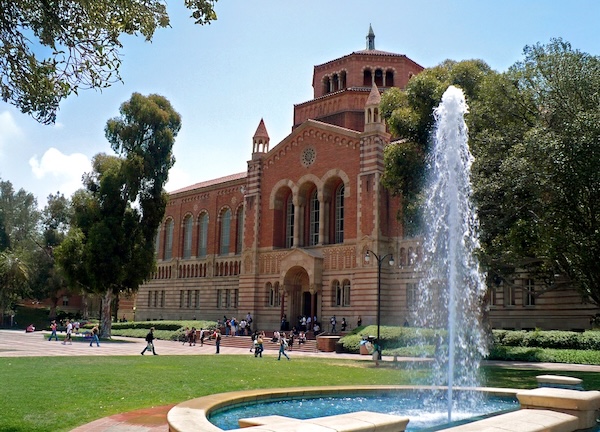
UCLA Personal Statement: FAQ, Examples, and Insider Tips
UCLA is part of the University of California system, which is comprised of 10 campuses throughout the state. Students applying to UCLA must use the UC application — the University of California system does not use the Common App or Coalition Application. The application process includes several personal statement prompts, or what UC refers to as personal insight questions. Keep reading to learn more about these prompts and tips for responding to them.

Importance of Course Rigor when Applying to College
As students begin a new school semester, they will soon be meeting with their college counselors to begin planning for the summer and the next school year. One important part of the counseling process is ensuring that students are taking the proper courses that match their academic ability, interests, and ultimately their college admissions goals.

How to Write an Activities List for College Applications
Summer is a great time for you to catch up on your college prep, including pulling together some materials that will be helpful when it’s time to start the college application process. Compiling a list of your activities, awards, internships, and more is a great way to organize all the information you want colleges to know — and sets you up for a smoother college application experience.