In this episode of the Just Admit It! podcast, IvyWise admissions experts Tasha and James dive into one of the most common questions from students and families: How do I plan for an impactful summer break? They explore how students can use these months to authentically build their profiles through summer programs, new initiatives, academic enrichment, and internships. Whether you are a ninth grader looking to explore new interests or a rising senior aiming to deepen your expertise, this conversation will help you make the most of your time while still prioritizing the rest and reflection needed for a successful academic year.
Key Takeaways
- An impactful summer is not about a specific title or program; it is any experience that allows you to grow, learn, reflect, and apply new knowledge to future goals.
- The four areas where you can make the most impact are: summer/pre-college programs, new initiatives (creating something original), internships, and academic enrichment (online courses or community college).
- Before moving to broader Internet searches, utilize the resources within arm’s reach, such as high school counselors, teachers, and peers.
- When planning your application timeline, prioritize programs with fixed deadlines over rolling admissions to stay organized and ensure you have time for recommendation letters.
- You need to prioritize quantity over quality by focusing on one or two areas of genuine interest to build a specialized and authentic application profile.
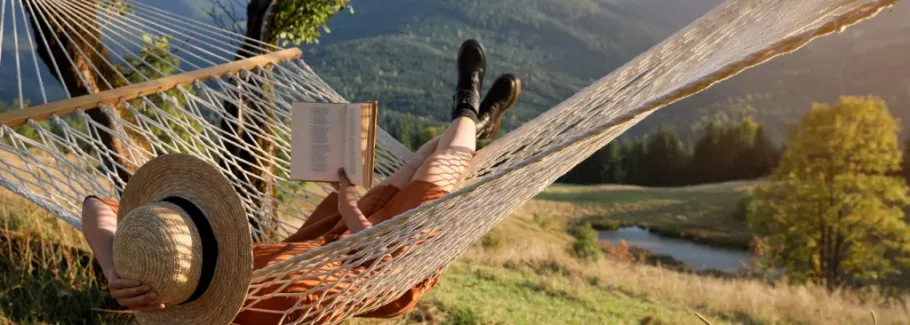
- Summer is also a crucial time for recuperation. Proper rest ensures you have the energy to excel during the intensive academic year ahead.
- The lower-stakes environment of summer is ideal for trying a new hobby or subject. Being unafraid to try new things is a vital skill for success on a college campus.
Tasha:
Hi there. Welcome to semester 12, episode two of IvyWise’s Just Admit It! podcast, where former deans and directors of admission give expert insight into the complex college admissions landscape. I’m Tasha, your host. I’m an admissions counselor at IvyWise, a former international admissions officer at USC and former assistant director of international admissions at Boston University.
Please feel free to email us any time with your most pressing college admissions questions at [email protected]. This season on the show: FAQs in college admissions. We’ll be spending each episode focusing on a different frequently asked question, breaking it down, and answering it thoroughly. So, on today’s episode: How should I plan for an impactful summer break? And to help me answer this question is my colleague, Principal Admissions Counselor James.
Hi James. Could you please introduce yourself?
James:
Hi, Tasha. Absolutely, thank you for having me. So, my name is James Fisher. I am a former admission counselor for the University of Illinois, Chicago, as well as the University of Utah and the University of Southern California. I had the privilege of working at all three institutions in the undergraduate departments. I love to be here today. Thank you.
Tasha:
Thanks so much for coming on the show, and I’m excited to together try to answer this most frequently asked question for our listeners. Again, we got these FAQs from a variety of sources —things that folks are plugging into their search engines, their AIs, questions that they have about the college admissions process.
And so, we’re here to help answer. So, let’s start with thinking about how students should start planning their summer breaks. Right. We know that students have typically two to three months of summer break depending on where they live in the country or beyond the country. And basically, it’s just a lot of free time, right? For students to try to be intentional and make an impact during their summer break.
So, the frequently asked question is: How can I make for an impactful summer break?
So, what are some of the different kinds of opportunities that we’re even talking about?
James:
Sure. So, for me, when students ask about what makes impact, what I often tell a student that it will vary for each student, but ultimately it is a program that allows you the ability to grow, learn, reflect and being able to apply that knowledge that you gain to future endeavors and being able to again, reflect on what you learned, how it was impactful for you, giving you something that you can potentially talk about, something that you learned and grew from.
So, it could be where you’re going through a very intensive music course over the summer and you’re not just learning to play the guitar, but you’re learning the history behind it. You’re learning from other cultures and their music and what that was like for them and how the guitar was for them 200 years ago and their history and their culture and being able to then apply that to today and what that means for you and seeing how that has grown. So ultimately, impact is going to be anything that allows you the ability to learn something from it, reflect on that, and understand how that impacts your day-to-day life. How you can use that to grow and develop for future endeavors and being able to apply that as you continue to grow.
Tasha:
Thank you so much. That’s a great definition of impact. And then in terms of the kinds of opportunities, I’ll just run through some of the four categories that we typically talk about at IvyWise.
So, there’s summer programs, kind of pre-college programs that are often offered on college campuses. These run the range from academically intensive programs that might offer advanced credit, college credit. They might be kind of more creative exploratory programs. They could be one week, two weeks, six weeks.
So, there’s really a huge range in terms of summer programs, but the impact that that program can have on you or that you can have by participating in that program is really going to vary based on your priorities on what you’re interested in and on what that program offers.
The other kind of major category would be new initiatives. And so, we’ll talk a bit more about that. But it’s this idea that a student doesn’t necessarily have to apply to a particular program, but they can kind of take it upon themselves to create something. So, it could be anything from a blog, to a business, to a podcast, to a volunteer initiative, and anything and everything in between. So, we can talk a bit about some examples.
And then a third category would be internships. So, summer internships—you know, similar to what you would think about as summer internships in college, but at the high school level. And for getting professional experience for getting a sense of whether you actually are interested in something that you think you might want to study or pursue as a career.
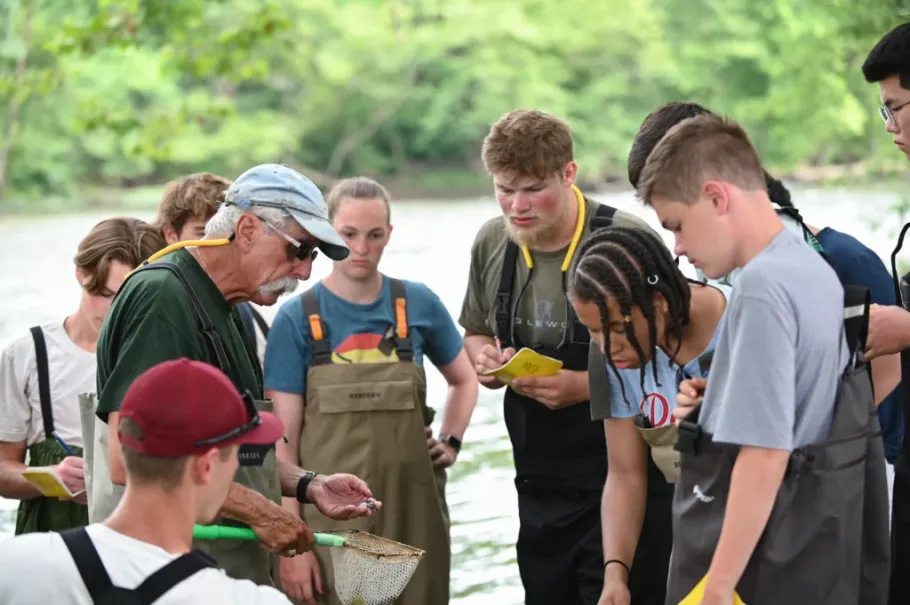
Then kind of the fourth way that students can think about making an impact over the summer is by pursuing additional academic enrichment. And so, this could be in the form of online courses. So, it could be like in a MOOC, which is the mass online open courses offered all over the Internet, but some very widely regarded ones are Coursera or MITx, but you can also take in-person courses at the college level if you’re entering 11th or 12th grade, usually at a local community college.
And so, what you might seek to pursue is really going to depend on you and what’s available in your area or what you are able to pursue online. But that would be kind of an additional category and those four categories of summer programs, new initiatives, internships and academic enrichment. And so, all of that being considered within what you can do to really make an impact and how you can plan before the summer to make the greatest impact possible.
Let’s talk about how students should start planning. Where should they even start, regardless of where they are in high school? And then we’ll talk about some different ways that students could think about their summers depending on whether they’re in ninth grade, 10th grade, or 11th grade.
So, the first thing I would say is by starting to research. James, how would you say that students could kind of start, if they don’t know where else to start, where could they get started?
James:
Absolutely. So, for me, this is a great question, and research is going to be the word of the day. And research really is a ton of resources that students already have at their disposal: their high school counselors, their high school teachers. Cause it’s a good likelihood that they have potentially done something before themselves. And if they haven’t, they probably have recommended something or another program or heard of another program through just their day-to-day job and being able to have that as a reference to pass that information onto students.
So, first and foremost, utilizing the resources within your high school, being able to utilize your teachers, your counselors, being able to tap into them as a resource, but also don’t discount your peers. Some of your peers may have done things that you might be interested in, and you can ask them about the process, what they did, what it was like, their experience. And then of course the Internet, we can’t forget about that as another resource to utilize, to research and being able to find different activities that are interesting to you that you want to learn more about, become more proficient in.
I’m also thinking about the things that you enjoy, so it’s like, yeah, if you are a music enthusiast, wanting to possibly find a new instrument to play. That’s something that you can definitely do over summer and researching those avenues and opportunities that are available for students over the course of their summer break.
So, it is really looking at the things that are within arm’s reach for you, your teachers, counselors, your peers, and then of course utilizing the Internet too.
Tasha:
Absolutely. And then I think once you get started, I think it makes a lot of sense to weigh pros and cons with different kinds of opportunities.
You know, do you want to make sure that you have, let’s say, two weeks off at the end of the summer to go on a summer vacation or a trip with your family? Is there an opportunity located really close by in a way that’s convenient or something located on the other side of the country that would give you the opportunity to have a different experience that you’re looking for?
Also considering different logistics around the application. So, you know, if we’re thinking about summer programs or internships specifically, we’ll also talk about some other kind of less structured or less defined opportunities. There’s going to be an application process, right? And so considering whether you are still on time for applying if you’re able to meet the application deadline, what the application requirements are, if it’s something that seems like it’s worth the effort in terms of what that possible opportunity could give you and the impact that you could have by participating in it.
And then of course, finally, once you’ve gathered all of this research is making it real by actually going ahead and applying. And part of that process is reaching out to your parents of course, but also any teachers or counselors who might be able to consult you on these programs — sometimes you might need a recommendation letter, so just making sure that you have all of your ducks in a row in terms of getting ready for that application process. And finally, as you’re deciding which programs you might apply to, it can make sense, I think, as a matter of process of elimination to prioritize programs with hard deadlines rather than those with rolling deadlines.
So, it depends on the kind of student that you are, but if you see that there’s a deadline for, let’s say March 30, then you know that you have to apply before March 30 — versus programs with rolling deadlines, those can be great for flexibility or for students who start the process a little bit later in the spring or who need that additional flexibility. But for students who are starting now and they’re able to prioritize programs with hard deadlines, it can be beneficial in terms of making sure that they are motivated to apply by the deadline, are able to ask for any additional support by that deadline and so forth.
Okay. So, for that planning, James, what do you think students should be asking themselves? A student might have just heard my list and thought like, wow, that’s a lot of things. There’s no way I could do all of that. What would you say to them? How would you help them break it down?
James:
First and foremost, one of the things that I would tell the student is to get a sense of time. Let’s see where they are. Are they in ninth grade? 10th grade? Simply because in the planning stages, they’re different. You will have more time if you are a ninth grader, to be able to explore.
So, in the planning, understanding the time that you have and being able to make sure that you’re picking programs or opportunities that are going to provide the maximum impact for you that you believe at that point in time. Because if you’re a ninth grader, you might have the ability to do two shorter summer programs.
Where if you’re a rising junior, a rising senior, you want something that is a bit more intentional, that might be more aligned with your academic interests versus some of your personal interests if they don’t already connect. So, one: timing, making sure that you are planning accordingly. Two: weighing out the pros and cons.
As we mentioned earlier, when you’re thinking about logistics, maybe a program is great, but to Tasha’s point earlier is on the other side of the country for you. And logistically, that may not be possible for you to get to during that time. So, weighing out the pros and cons of the program that you’re in, the program or programs that you’re interested in so that you can make sure that you are again, picking things that are a good fit for you at every stage.
Then it’s also looking at the duration, looking at your personal interest within it, and of course the cost. You might find free programs, you might find some that have a substantial cost attached to them, and you might find programs that offer scholarships to be able to attend and participate in their organization and making sure that you can get the application in in enough time to also be considered for those scholarships if you’re looking to utilize some of those as well.
And so, for me, I tell students all the time, take the time. Figure out what’s going to provide the best opportunities for you. Weighing out that pros and cons list and having those conversations with family because it is going to be a family endeavor. Maybe Mom or Dad or an older sibling might have to take you back and forth. Is that feasible? Making sure that you are weighing out everything for those who will be impacted by you participating within that program. And so, for me, those are the things in a nutshell that I tell students to really think about as you’re trying to figure out what program, when to do it, and just at the planning stages for you.
Tasha:
Great. Thanks so much. That’s right. Definitely depends on which summer you’re heading into, and I think it’s really important for students to really focus on their interests and the one or two subjects or areas of expertise they’re trying to develop and go there, right, rather than try to do all of the things or try to do what you think colleges want to see. I think summers are still your breaks. And so, I really encourage students to remember to enjoy that time and to spend it doing something that you care about, right? And so hopefully, a summer impactful activity like a summer program or a new initiative could add to that and be an additional kind of enriching experience as part of your high school career rather than like an additional chore or something else that you have to do.
So, we’ve already talked about what impactful means in this context, but I want to talk a little bit more about why we talk about impact. Why should students even be thinking about having impactful summers in the first place?
James:
I think the why is a great question. One, your own personal growth and development. When you think about impact, it’s not just to impress the colleges and universities, it’s for your own personal growth. And that’s important because it is going to enhance your leadership, enhance your communication, your teamwork, your critical thinking, your ability to know what you like as far as enjoyment.
To Tasha’s point, you want to continue doing things that are of interest for you. So, the more you try, the more you learn that, oh, this is what I really enjoy. Oh, I thought I really enjoyed that, but going about it this way, I don’t really enjoy it as much. So, these are things that help you grow and learn about yourself as well and giving you additional things that you can talk about as you’re going through the application process as a senior.
As you’re applying for schools, it’ll give you the ability to say, oh, I did X, Y, and Z, and this is why this was important for me because it allowed me to learn this about myself, allowed me to learn this about others, allowed me to not only learn it, but actually utilize it in real time. Like, oh, I saw that this ability to communicate and create psychological safety for others gave the ability for the team to function at a higher capacity. And we had a great time while we were doing it. So, the why is because it’s important for your growth and development as a person, not just as a student. And it will help you as you’re going through school, going through work, and going through your personal life as well.
Tasha:
Absolutely. And I did want to add, is that summers are a really great time to build your profile. You know, we talked about how summers are a stretch of a couple or even a few months that students have where they’re not going to school every single day, where their responsibilities change, where hopefully they’re able to take on a slower pace.
But especially as you’re heading into 11th and 12th grade, they’re a great moment to take advantage of the free time to strengthen and build your application profile. And so, as James said, an excellent moment to try things out and see if what you think you like is actually something that you like.
At a certain point a student should be focusing somewhere in terms of what they want to apply to. If they’re undecided, that’s a little bit different, but still having kind of general interests and areas of strength. And so, I think that if that shifts during high school, that’s okay.
But I think you have to give yourself the opportunity to find out and to let that shift in terms of understanding what it is that you actually like and want to spend time on. But I just go back to the profile building aspect of things because I think sometimes when we meet with students, if they’re not already really involved at school or in leadership positions, they might struggle to understand, well, how can I actually do this? When would I have time outside of my very busy school day schedule? And I think that summer is really the answer to that for a lot of students.
It’s a departure from the normal routine where you can take two weeks, one week, three weeks to do something intensive like a summer program. Or to take an online course in a subject that you think you might be interested in, but you’re not positive or in a subject that you know nothing about, but you want to kind of do some exploration in.
It’s an excellent time to do that. And then, if you do it in the earlier summers, then you can really build upon what you’ve learned and what you understand your interest to be and the area of expertise that you want to build throughout the last summer, especially heading into 12th grade.
All right, so before we go, I wanted to do some kind of case studies for us to kind of give some examples to illustrate some of what we’re talking about, James, because I think that can be really helpful for students and families listening to get an example of what do we mean? What would an impactful summer look like for different kinds of students?
So, I’m gonna ask you a question. I’m gonna put you on this a little bit, and we can kind of build out a student’s summer break based on their interests. So, let’s say, and this is gonna depend of course on the student, on where they are, what they have access to. But let’s say we have a student interested in marine biology and they are interested in attending a large top research university.
What are some different scenarios for ways that they could spend their summers? So, let’s start with the summer after ninth grade and before 10th grade.
James:
For this student interested in marine biology, you could see if there are summer programs at institutions that do offer marine biology as one of their programs. So of course, you’re primarily looking — but not solely — at coastal schools.
So, looking west coast, southeast, being able to have some of them in mind is places that will offer opportunities for students that are attached to marine biology potentially. But at the same time, you are also doing a deeper dive into just marine life, what that may look like in a place that may send you someplace.
I believe memory serves me. The University of Iowa has a marine biology program, and I remember when it came across for me, I was like, wait, this school is landlocked. And they were like, but we have programs that send our students to different places. So, looking at places that you might never have thought about that have marine biology and seeing what summer programs are attached for them. That would be my recommendation.
One, first and foremost for this student, looking at those larger institutions primarily on coast so that they could have a closer relationship to getting to the water and being able to explore and understand what that looks like. But also, because they’re looking for a top research university, they could find an institution that is landlocked, but they go every summer or every spring break or anytime students are off and they send their students to places where they can study marine life. And being able to have, build that relationship with different marine biologists and scientists that are actively working in this area so that they can grow and develop and learn more about it.
Tasha:
Yeah. And so, I think that actually kind of spanned all three summers potentially in terms of ninth, 10th, and 11th. I think if I had to break it down a little bit, I would say it depends on what the student’s level of interest is. If they have experience already and feel pretty sure of their interest, they could go straight into a program. If it’s something based on their exposure in pop culture or listening or reading to stuff related to marine biology, then they might want to explore that interest a little bit further, closer to home, initially by taking an online course.
Even just by pursuing additional reading materials or even just like consuming film documentary podcasts on the subject to just kind of further explore that interest and understand if it’s something that the student wants to pursue further then in the following summer: a summer program, a course. If you live on the coast already, you could try to take a community college course that has some kind of lab components so you can actually get some hands-on experience. You could seek out research opportunities with local professors at a local university, if you are on the coast.
If not, there could be a summer research opportunity. And then finally, you could also seek out a new initiative, some kind of program that you help to implement either with something that’s already existing or something brand new, to make a greater impact in your coastal community when it comes to, of course, environmental pollution, climate change and anything else that might be impacting your particular coastal region. And so, I think that’s an example where really there’s just so many scenarios, but there are a lot of opportunities.
So, we’re gonna do one more for a student interested in journalism and creative writing. And let’s just narrow it down. Let’s talk about, let’s say, it’s the summer before 12th grade already. What kind of different programs or plans could they be making for greater impact?
James:
Absolutely. And I love the narrowing it down to, you said the summer before 12th grade, correct? And being able to have that as the timeline for them. One, I would absolutely encourage to Tasha’s earlier point, looking at local community college or a summer program with potential colleges that they’re interested in so that they can start getting that academic preparation from them and being able to have that as something to talk about.
I would also really kind of dive deeper into the new initiatives. This is for me, this space. I’m like, oh, start a new podcast. Especially one that is research oriented, not just you going in and saying, oh, this is what happened today, and this made me feel great, but picking a topic. Researching that topic and talking about that a bit more.
It can be a current event topic, but you are doing a deeper dive as an investigative journalist to find out more about it so that you can really accurately report on it and give the facts so that it’s definitely something that you can do in the new initiative space when you’re thinking about the academic opportunities.
I would again encourage community college, four-year colleges, universities, looking at summer programs that they have available that are attached to it. And with journalism, creative writing, there are plenty that do offer that. And thinking about those and then one of the other ones that I would mention is looking for different writing contests that you can submit writing samples to, having it where you can talk about in your application.
Creative writing contest, that is definitely something that is going to have impact, can be something that can show that you are truly interested within this academic area of study and showing that you are proficient in it so far, but still have things that you want to learn and grow from it as you’re going through the experience with it.
And so, I would definitely, again: new initiatives, podcasts, community colleges, four year institutions, and looking at different ways that you can get your writing, your interests out there to others so that they can take that, dissect that, and give you feedback on that.
Tasha:
Great, James. Thank you so much. So hopefully those case studies were helpful in two pretty different fields to help kind of illustrate how students might approach their summers and their particularly impactful summers within those two different disciplines that we gave some examples on.
So just before we close, I want to talk briefly about just some other ways outside of those four major categories that students can be thinking about spending their summer. So, the first, and this is something we talk quite a bit about at IvyWise is outside reading or additional reading. What do we mean by that?
James:
Sure. So being able to look at outside additional reading things that are not required for you. So, you’re diving deeper into, let’s say you had an assigned reading where you were reading all of one particular author, and you read the first book that they ever wrote, but maybe you dive deeper into looking at their entire catalog.
Being able to have that as something that interests you in giving you more that you can talk about with that, and making sure that as you’re trying new things, that you’re trying things that interest you and align with some of the academic interests that you have as well.
So, making sure that you’re exploring new opportunities as you’re going through summer. Don’t just do the typical family road trip and that be the end of the day for you. Maybe you decide to go to a new location as you’re like, oh, Mom and Dad, can we make a stop here? There’s this exhibit that I wanna see that is along the way, but can we stop so that I can explore and gain a little more information about whatever the exhibit is so that you can now have that as newfound knowledge and insight that you can bring to the table when you’re talking about whatever topic it is.
Tasha:
I have two more things that I would add to the list of other ways to spend your time in addition to some of those most impactful activities.
And one of them is relaxing to prepare for the next academic year, right? You wanna make sure that you have a moment to — more than a moment — that you have some time to recuperate because we understand that the school year can be really intensive, especially if you’re taking very demanding coursework. You’re involved in extracurriculars. You might be an athlete or a musician, might be volunteering. You might be doing additional test prep.
There’s so much going on during the school year that the summer is an opportunity to make sure that you get some time to recuperate, to make sure that you can keep excelling the following academic year. And then the final thing I would recommend for students if they have the time, if they can intentionally build it into their summers, is to give themselves an opportunity to try something new.
So, I think this, again, is linked to time or lack thereof, usually during the school year. If you already have your hobbies and your sports and your extracurricular activities that you’re committed to, it might be hard to find time to try something new. But maybe during the summers when you have downtime, if there are community programs or fairs or summer camp-type programs where you can go and try something new for a period of time before fully committing to it, summer is the time to do it. And I think that just having the attitude or kind of the habit of being unafraid of trying new things. The younger that you are, the better prepared you can be to face different new challenges or different environments like the college campus where hopefully you will be trying new things all the time in terms of getting involved on campus.
And so, I’d say that’s the last thing I would add. Is there anything else you’d like to add, James, before we wrap?
James:
No. I mean, you summed it up nicely as far as not being afraid to try something new, and that’s a key component for students because in trying new things, you are again, exploring the unknown and you don’t know what you don’t know until you know it.
Tasha:
Absolutely. You don’t know what you don’t know. For sure. So, thank you so much, James. I think that just about wraps up this episode of the Just Admit It! podcast. Thank you again for coming on the show.
James:
My pleasure. Thank you for having me.
Tasha:
That just about wraps up this episode of the Just Admit It! podcast. Thanks so much, James for joining us. If you have any suggestions about what we should be covering, please email us at [email protected]. In the meantime, you can catch up on all our previous episodes by visiting our podcast page and be sure to bookmark our KnowledgeBase for additional help with navigating the complex and competitive admissions process.
From IvyWise, I’m your host, Tasha, and this has been Just Admit It! See you next time.
Learn More
Editor’s Note: This transcript has been cleaned up and edited for clarity and readability.